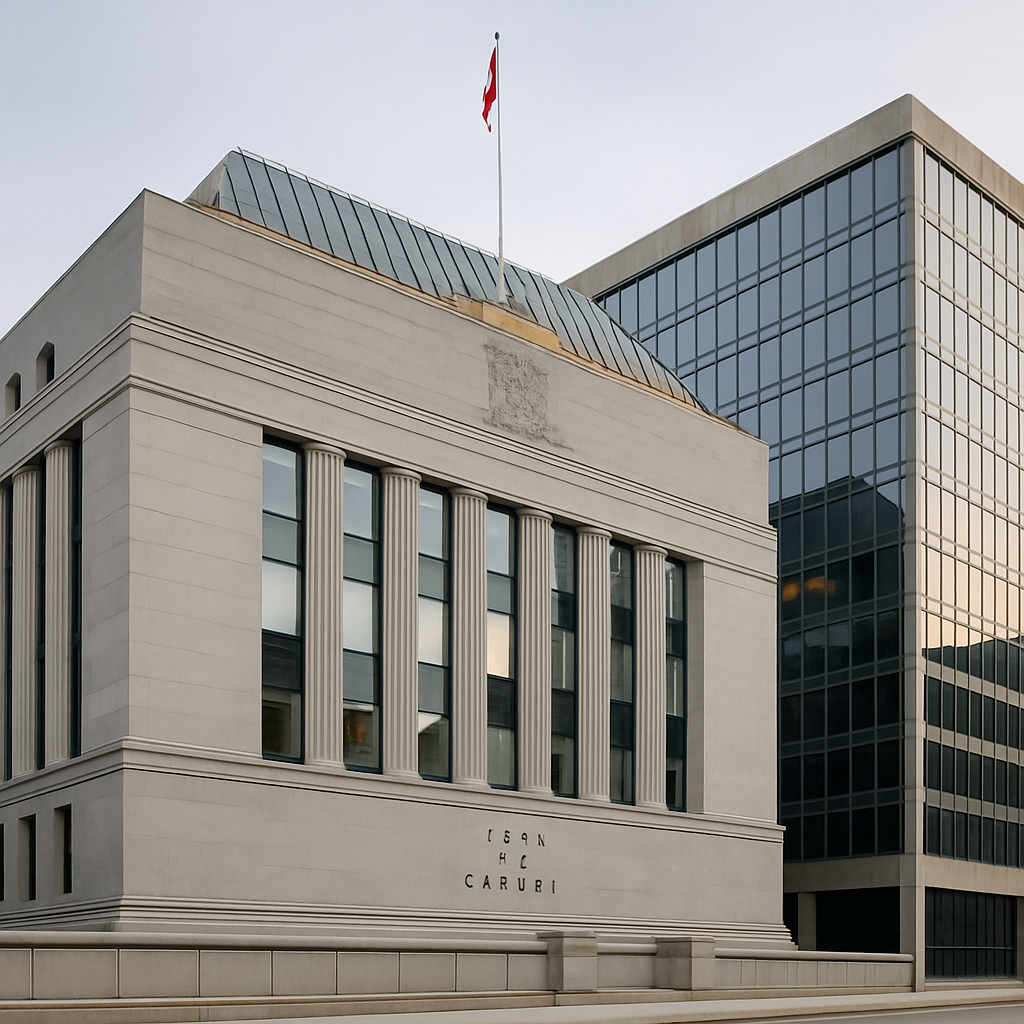
Canada is waking up to a digital financial future that much of the world is already racing toward. The Bank of Canada’s recent remarks on the need for stablecoin regulation are more than policy talk—they’re a signal.
As someone who has spent years watching jurisdictions grapple with innovation, risk, and sovereignty, this moment feels pivotal. Digital money is no longer theoretical, and for Canadians entering the ecosystem for the first time, understanding the basics—starting with how to Buy Bitcoin in Canada—has become increasingly relevant.
Why the Bank of Canada Is Paying Attention Now
At its core, this conversation is about modernization.
Canada’s payments infrastructure remains slow, expensive, and fragmented—especially for international transfers. Meanwhile, digital-native forms of money, particularly stablecoins, are already being used globally for settlement and remittances.
In a recent speech, Bank of Canada executive Ron Morrow called for urgent coordination among Canadian regulators to establish a cohesive framework for stablecoins. His warning was clear: if Canada moves too slowly, it risks dependency on foreign systems—and an erosion of monetary sovereignty.
This isn’t about chasing trends. It’s about remaining competitive.
Stablecoins vs. Bitcoin: Different Tools, Different Roles
The Bank’s position on stablecoins is notably pragmatic. It acknowledges that properly backed and regulated stablecoins could improve payments efficiency, provided:
- Reserves are transparent and secure
- Redemptions are reliable
- Consumers are protected
From a Bitcoin perspective, these discussions matter—not because Bitcoin depends on stablecoins, but because regulation in one area often spills into the broader digital-asset landscape.
For businesses already thinking about faster settlement, cross-border payments, or operational efficiency, these conversations increasingly overlap with practical use cases explored through Bitcoin for Businesses Canada.
Sovereignty Is the Subtext
Beneath the regulatory language sits a deeper concern: control.
If stablecoin regulation simply reinforces existing financial gatekeepers or recreates the inefficiencies of fiat money in digital form, Canada risks missing the point. True modernization should encourage competition and interoperability—not entrench incumbents.
This same sovereignty question is already shaping how corporations think about money. As inflation and currency risk persist, some firms are re-evaluating cash management and exploring long-term alternatives through Corporate Treasury Bitcoin Canada strategies focused on resilience rather than yield.
Why This Matters Beyond Stablecoins
Canada has already begun:
- Registering Payment Service Providers
- Advancing the Real-Time Rail payment system
- Exploring open-banking reforms
Together, these changes hint at a future where Bitcoin and other borderless digital assets become more interoperable with everyday economic activity.
As these rails mature, larger participants—entrepreneurs, allocators, and families—are paying attention. Many approach the space cautiously and privately, often through tailored paths similar to Bitcoin for High Net Worth Canadians rather than public platforms.
A Moment That Requires Thoughtful Urgency
For builders, clearer rules can reduce uncertainty and encourage responsible innovation—but only if policymakers understand how these tools actually work.
For Canadians, the takeaway is simple: digital money is no longer fringe. Regulation is coming, infrastructure is shifting, and the financial system is evolving in real time.
The headline may be stablecoins.
The deeper story is sovereignty, innovation, and the future of money in Canada.
Canada has a chance to lead—but only if it listens, learns, and moves with care.