
Bitcoin Scams in Canada — How to Protect Yourself
Scams promise control and profits. Real Bitcoin puts control only in your hands.
Bitcoin scams cost Canadians millions of dollars every year. This guide identifies the most common scams and tells you exactly what to look for.
Simple Bitcoin Access for Canadians
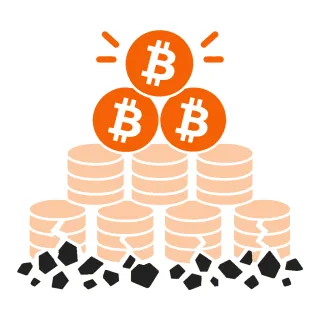
"Double Your Bitcoin" Scams
A platform or person promises to double your Bitcoin if you send it to them. They take it and disappear. No legitimate service offers guaranteed returns.
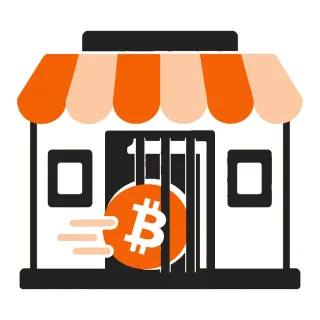
Fake Investment Platforms
Sophisticated websites showing fake account balances and "profits." The moment you try to withdraw, they demand fees or taxes. Once paid, they disappear.
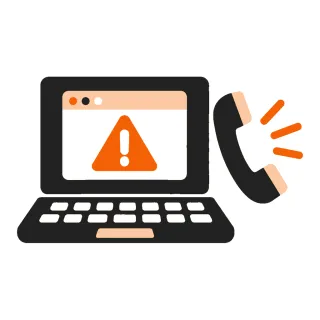
Fake Customer Support
Scammers pose as 1Bitcoin.ca, Coinbase, or other platform support staff on social media. They ask for your seed phrase or password. Legitimate companies will NEVER ask for your seed phrase.

Romance Scams
Someone you met online (dating app, social media) builds a relationship then introduces you to a "great Bitcoin investment opportunity." The money is gone once sent.
Recovery Scams
After losing Bitcoin, scammers pose as "recovery experts" offering to retrieve your lost funds for an upfront fee. Bitcoin transactions are irreversible. Recovery companies cannot return Bitcoin — they are scams.
How to Stay Safe
- Only use FINTRAC-registered Canadian platforms
- Never share your seed phrase or private key
- Withdraw Bitcoin to your own wallet immediately
- Verify URLs — bookmark 1bitcoin.ca directly
- If pressured, stop immediately
Is Bitcoin Legal in Canada?
Yes. Bitcoin is completely legal to buy, hold, and sell in Canada. The Canada Revenue Agency treats Bitcoin as a commodity for tax purposes. Purchases are not taxable; capital gains apply when you sell.
Canada was the first country to approve a Bitcoin ETF (2021), demonstrating the government’s acceptance of Bitcoin as a legitimate asset class.
Frequently Asked Questions
View All FAQsCan the government seize my Bitcoin?
Bitcoin held in self-custody (your own wallet) is extremely resistant to seizure — the government would need your private key or seed phrase. However, you remain legally responsible for reporting and paying taxes on Bitcoin gains.
What if 1Bitcoin.ca shuts down?
Because 1Bitcoin.ca is non-custodial, your Bitcoin is in your wallet before we ever close. Our closure would not affect Bitcoin you’ve already withdrawn.
Is Bitcoin insured in Canada?
Bitcoin is not covered by CDIC (Canada Deposit Insurance Corporation). It’s not a deposit product. Self-custody Bitcoin is effectively protected by your own security practices.
Is Bitcoin volatile?
Yes. Bitcoin has experienced multiple 50–80% price drawdowns in its history. Only invest what you can afford to hold through significant price swings.
Report Bitcoin Scams in Canada
Canadian Anti-Fraud Centre: 1-888-495-8501 | antifraudcentre.ca
Local police: For amounts over $1,000
RCMP: reportcybercrime.ca
The Bottom Line
Bitcoin is safe when you:
- Use a FINTRAC-registered, non-custodial platform
- Withdraw to your own wallet
- Protect your seed phrase
- Recognize and avoid scams
- FINTRAC Registered MSB
- Non-Custodial
- Bitcoin-Only
- 20,000+ Canadians Served
- 4.8★ Google Reviews