For decades, the U.S. dollar has been the backbone of global trade, reserves, and financial settlement. But that dominance is slowly changing.
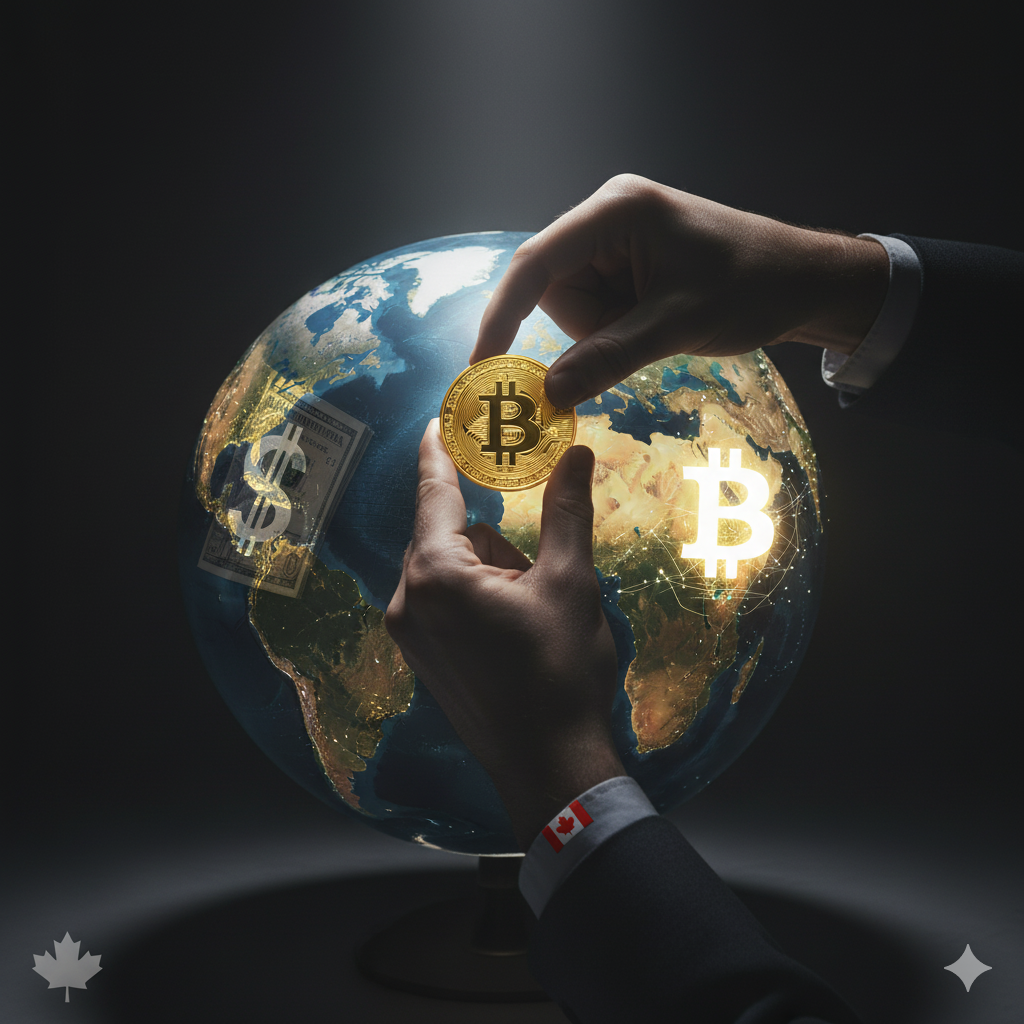
Across regions and political blocs, countries are actively reducing reliance on a single currency system—a process known as de-dollarization. In this shifting landscape, Bitcoin has emerged as a neutral, borderless asset increasingly discussed alongside gold, commodities, and alternative settlement rails. For Canadians following these global shifts, understanding how to Buy Bitcoin in Canada directly is often the first step toward monetary diversification.
What Is De-Dollarization — and Why Is It Happening?
De-dollarization refers to efforts by countries to reduce dependence on the U.S. dollar for trade, reserves, and cross-border payments.
This trend has accelerated due to:
- Rising inflation in dollar-denominated systems
- Growing geopolitical tensions
- Sanctions that restrict access to dollar-based infrastructure
- Concerns that monetary systems can be weaponized
At its core, de-dollarization is about monetary sovereignty—regaining control over national economic outcomes.
How Bitcoin Fits Into the Shift
Bitcoin is fundamentally different from traditional reserve currencies.
It is:
- Not issued by any government
- Not controlled by a central bank
- Not tied to any single economy
Because of this, Bitcoin functions as a non-sovereign monetary asset, neutral by design.
Its core properties include:
- Fixed supply
- Global liquidity
- Censorship resistance
- Permissionless settlement
These features make Bitcoin attractive as a hedge against currency debasement and financial exclusion. This neutrality is also why large holders increasingly prefer direct ownership and execution, often facilitated through Bitcoin OTC Canada when size and discretion matter.
Real-World Signals We’re Already Seeing
De-dollarization is no longer theoretical.
Examples include:
- Trade agreements settled in local currencies
- Central banks increasing gold reserves
- Regional payment networks built outside U.S. influence
At the same time, Bitcoin usage has risen in regions facing currency instability or sanctions—not as a replacement for national currencies, but as an alternative settlement rail. El Salvador remains a well-known case, but adoption at the grassroots level extends far beyond any single country.
Why Governments Pay Attention (Even If They’re Cautious)
Most governments are not ideologically aligned with Bitcoin. They are, however, pragmatic.
Bitcoin offers:
- A hedge against dollar dependency
- A settlement option outside traditional rails
- A way to attract innovation and capital
While volatility remains a concern, the strategic value of a neutral, digital asset is increasingly difficult to ignore. This same logic is now influencing how corporations think about reserves, accelerating interest in Corporate Treasury Bitcoin Canada strategies focused on long-term resilience rather than short-term speculation.
What This Means for Individuals
De-dollarization doesn’t require individuals to predict geopolitics or currency realignments.
It simply highlights that:
- Monetary systems evolve
- Concentration risk exists
- Alternatives matter
For individuals, holding Bitcoin through self-custody provides exposure to a non-sovereign asset without relying on institutional promises. This approach has become especially relevant for affluent Canadians seeking protection from systemic risk through Bitcoin for High Net Worth Canadians.
Final Thought
De-dollarization is not about abandoning the U.S. dollar overnight.
It’s about diversification, resilience, and reducing single-point failures in global finance.
Bitcoin’s role in this movement is not ideological—it’s structural. As a neutral, scarce, and globally accessible asset, Bitcoin offers something few alternatives can: a monetary system that exists outside political control.
Understanding these shifts today helps reduce uncertainty tomorrow.