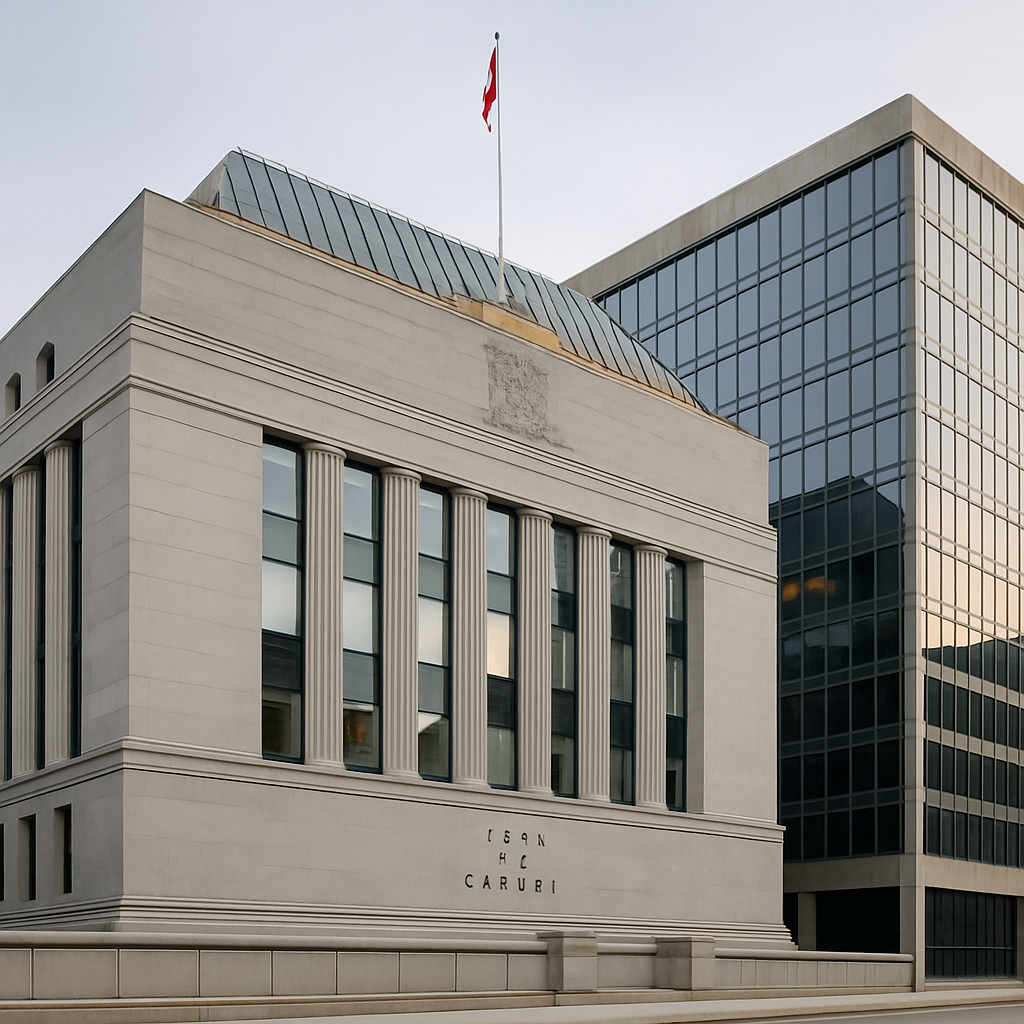
When Money Meant Something Real
Picture a time when every dollar in your wallet was backed by gold—a real, tangible asset governments couldn’t manipulate. For centuries, the gold standard ensured money held genuine value. In today’s era of inflation and unlimited money printing, many Canadians are once again questioning what backs their savings and are turning to modern alternatives such as Buy Bitcoin in Canada to regain control over their money.
Gold: The World’s First Money
Gold wasn’t chosen as money by chance. For thousands of years—from ancient Rome to imperial China—it was prized for scarcity, durability, and universal acceptance. Unlike paper currencies, gold couldn’t be created at will, making it a dependable store of value.
By the 1800s, major economies formally adopted the gold standard. Every banknote represented a fixed amount of gold, creating trust and long-term stability. The system worked because it enforced:
- Limited supply – no unlimited printing
- Low inflation – stable purchasing power
- Redeemable value – paper could be exchanged for gold
- Fiscal discipline – government spending tied to real assets
This era of “honest money” rewarded savers and long-term planners—principles that today appeal strongly to investors focused on preservation, including those exploring Bitcoin for High Net Worth Canadians.
Why the Gold Standard Fell
While the gold standard constrained reckless spending, global conflicts changed everything. During World War I and World War II, governments suspended gold backing to finance massive war efforts without raising taxes.
In 1944, the Bretton Woods Agreement attempted a compromise by pegging global currencies to the U.S. dollar, itself backed by gold. But by the 1960s, excessive spending meant the U.S. had issued far more dollars than its gold reserves could support.
In 1971, President Richard Nixon ended gold convertibility entirely. The dollar became a fiat currency—backed only by government trust. Other nations followed, ushering in an era of unrestricted money creation. This shift continues to influence how companies think about balance-sheet protection today, including interest in Corporate Treasury Bitcoin Canada strategies.
The Cost of Fiat: Inflation and Instability
Without gold’s restraint, governments gained unprecedented monetary flexibility—but at a cost:
- Purchasing power loss: The U.S. dollar has lost over 90% of its value since 1971
- Persistent inflation: Rising prices steadily erode Canadian savings
- Debt explosion: Global debt surpassed $300 trillion in 2024
While fiat systems can respond quickly to crises, history shows that trust erodes when money is created without limits. This has driven growing interest among entrepreneurs and merchants in sound, censorship-resistant money, including practical adoption through Bitcoin for Businesses Canada.
Bitcoin: The Modern Gold Standard?
Gold served humanity well for centuries, but Bitcoin is increasingly viewed as its digital successor. Like gold, Bitcoin is scarce—but it also offers modern advantages:
- Fixed supply: Only 21 million coins
- Global and fast: Transfer worldwide in minutes
- Secure and transparent: Powered by blockchain
- Decentralized: Free from central bank control
Bitcoin restores monetary discipline in a digital age, shifting power from institutions back to individuals.
What’s Next for Money?
Can fiat currencies survive without a true anchor, or will Bitcoin and gold reclaim their roles as honest money? As history shows, societies continually return to systems that protect value and reward responsibility.